






Some people book a massage, run a bath, put on a face mask and call it self care. Fair enough. But self care intimacy deserves the same space in that conversation, especially when stress, poor sleep, low libido and body tension can all show up in your sex life as much as they show up everywhere else.
Treating intimacy as part of your wellbeing is not indulgent. It is practical. It can mean solo pleasure that helps you relax, partnered connection that feels less rushed, or simply choosing products that make your body feel more comfortable and supported. The point is not to perform. The point is to feel good in your body, on your terms.
What self care intimacy really means
Self care intimacy is the overlap between personal wellness and sexual wellbeing. It is about paying attention to what helps you feel relaxed, turned on, connected, rested or more at ease with your body. Sometimes that involves pleasure products. Sometimes it involves lubricant, vaginal moisturisers, condoms, massage oils or pelvic floor support. Sometimes it means deciding you want less intensity, not more.
That distinction matters because a lot of people still think intimacy products are only for a particular kind of shopper - highly experienced, highly adventurous, or shopping for a special occasion. In reality, many people are simply looking for more comfort, less friction and a more confident way to care for themselves or connect with a partner.
There is also no single version of intimate wellness. A beginner shopping for a discreet bullet vibrator has different needs from someone looking at prostate toys, bondage gear or app-controlled options. Both are valid. Self care works best when it reflects your actual comfort level, not what you think you should want.
Why self care intimacy matters beyond the bedroom
When intimacy feels like another task on the list, it stops feeling restorative. That is often where good products and better habits make a genuine difference. A quality water-based lubricant can improve comfort immediately. A body-safe vibrator can help you learn what kind of stimulation you actually enjoy. A soft piece of lingerie can shift how you feel in your body before anything else even happens.
There is a wider wellbeing angle too. Pleasure can support stress relief, sleep and body awareness. Gentle exploration can help rebuild confidence after a dry spell, a life change, or simply a busy stretch where intimacy has fallen off the radar. For couples, even small changes can reduce pressure. If one person is tired, sore, anxious or not in the mood for a full event, intimacy does not have to be all or nothing.
That said, self care intimacy is not a cure-all. If pain, persistent dryness, low desire or pelvic discomfort are affecting daily life, it may be worth speaking with a qualified health professional. Wellness products can support comfort and pleasure, but they are not a substitute for medical care when something feels off.
Building a self care intimacy routine that suits you
A useful routine is usually simpler than people expect. It starts with noticing what you want more of. That might be relaxation, stronger orgasms, less discomfort, more arousal, easier solo play or a better way to reconnect with a partner. Once you know the outcome, choosing products becomes less overwhelming.
If comfort is the priority, start with lubricant. It is one of the most underrated intimacy essentials and one of the easiest upgrades. Water-based options are versatile and toy-friendly. Silicone-based lubricant tends to last longer, which can be ideal for extended play, though it is not always suitable with silicone toys. If sensitivity is a concern, look for body-safe, pH-balanced options with a simpler ingredient profile.
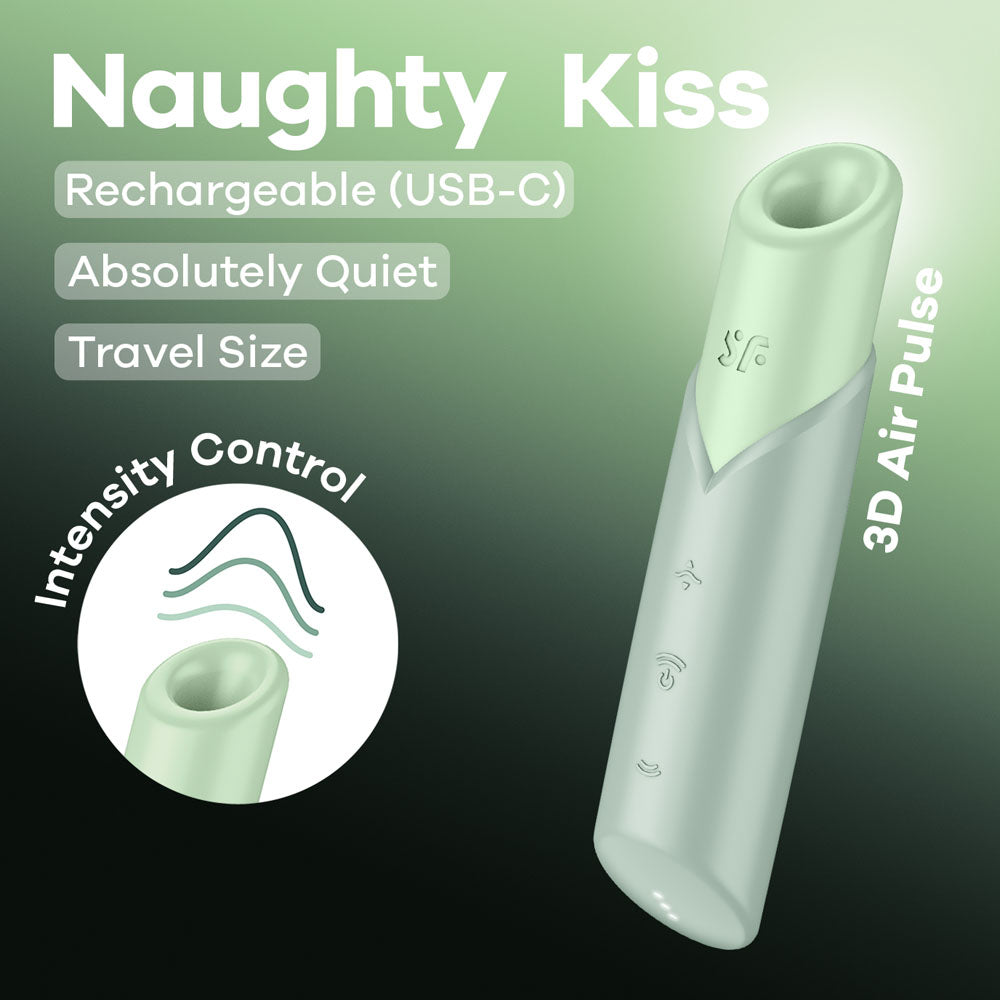
If stress relief and solo self care are the goal, low-pressure products tend to work well. A bullet vibrator, wand massager or air pulse stimulator can fit different preferences without demanding much setup. Some shoppers want intensity straight away, but others prefer gentler settings and quieter motors, especially if discretion matters.
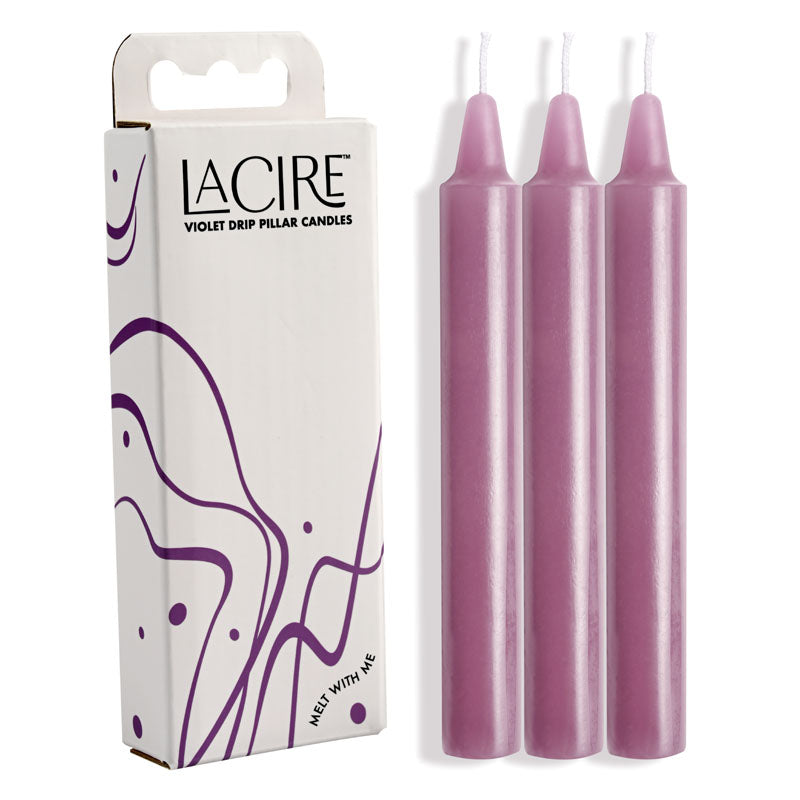
If connection with a partner is the focus, think beyond the obvious. Massage candles, arousal gels, flavoured lubricants and couples vibrators can all shift the mood without making things feel forced. For some people, the best purchase is not the most advanced product. It is the one that removes hesitation and makes intimacy easier to start.
Choosing products for self care intimacy
The best product is not always the bestseller. It is the one that suits your body, your experience level and the result you want.
For beginners, body-safe materials should be non-negotiable. Silicone, ABS plastic, stainless steel and glass are common choices because they are easier to clean and generally more reliable than porous alternatives. If a toy is going to be part of your regular self care routine, comfort and easy maintenance matter as much as sensation.
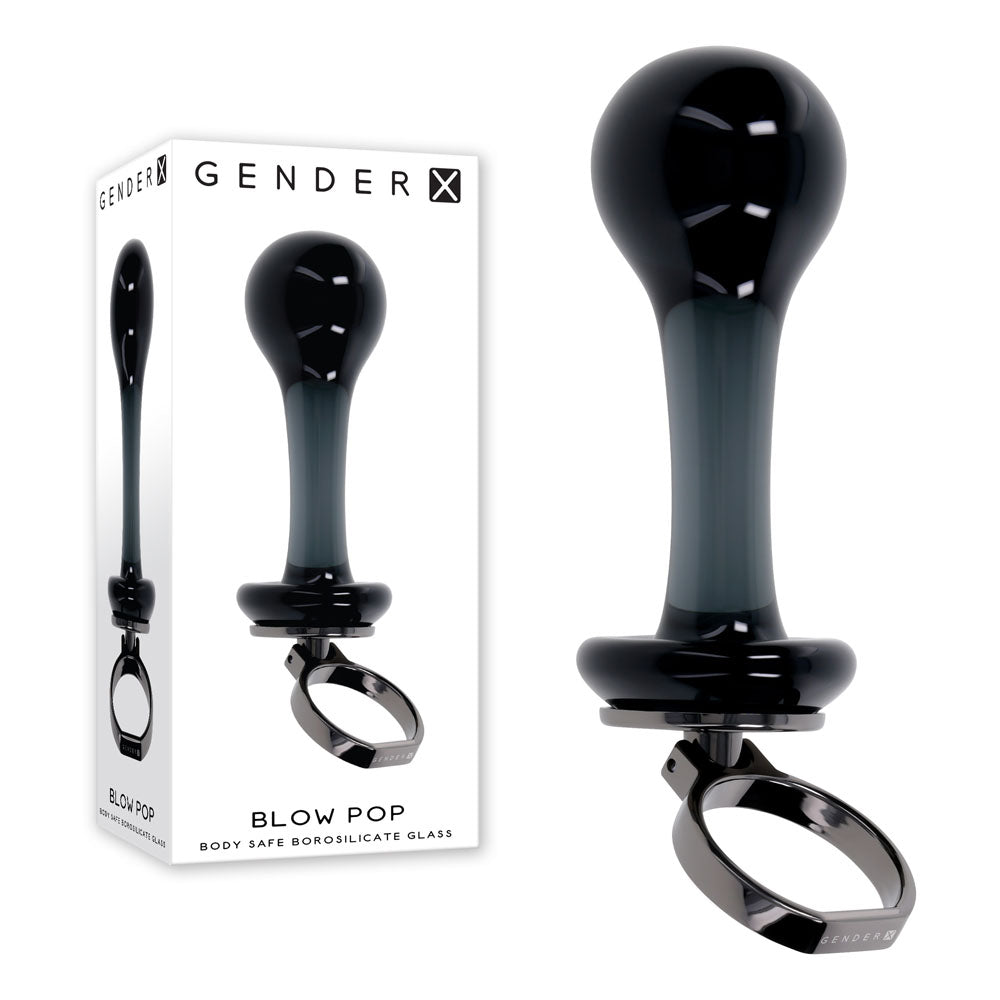
Size and intensity deserve honest consideration. Bigger is not better for everyone. More powerful is not automatically more pleasurable. A compact vibrator may be ideal if you prefer external stimulation or want something discreet for travel. A slim dildo may be a better starting point than a larger option if comfort and confidence are the priority. The same goes for anal toys, where a flared base, beginner-friendly sizing and plenty of lubricant are essential.
Noise level can be surprisingly important too. If you live in a share house, have kids at home, or simply value privacy, quieter products are worth prioritising. Rechargeable designs are often more convenient than battery-operated ones, although battery toys can still be a useful low-commitment starting point.
For shoppers who are further along in their exploration, the category can widen. App-controlled vibrators, prostate massagers, erection enhancers, kegel exercisers and BDSM accessories can all fit within a self care framework when they are chosen with intention. The trade-off is that more specialised products often come with a learning curve. That is not a reason to avoid them. It just means comfort, safety and realistic expectations should stay part of the process.
Self care intimacy for couples
For couples, self care intimacy often works best when it removes pressure rather than adding novelty for novelty's sake. Not every couple wants a dramatic reset. Sometimes they just need better lubricant, a product that supports mutual pleasure, or a more relaxed way to start the conversation.
Discreet, easy-to-use products are often the most successful. A vibrating cock ring, massage oil or wearable vibrator can feel approachable because it complements what is already happening instead of taking over. If one partner is curious and the other is hesitant, start with comfort and communication rather than intensity.
It also helps to drop the idea that buying a product means something is missing. In many cases, it simply means you want more options. The same way skincare or fitness tools support a routine, intimate wellness products can support pleasure, confidence and connection.
Making privacy and care part of the experience
One reason people shop online for intimate products is simple: privacy matters. Discreet delivery, clear category navigation and straightforward product descriptions remove a lot of purchase friction. That matters for first-time buyers especially, but it also matters for experienced shoppers who just want a practical, no-fuss experience.
Care after purchase is part of self care too. Toy cleaner, storage bags and compatible lubricant are not glamorous add-ons, but they make products easier to use safely and consistently. If a product is awkward to clean or store, chances are it will end up forgotten in a drawer.
Good habits do not need to be elaborate. Clean products before and after use, check material compatibility, use condoms where appropriate, and replace items that show wear. If you are investing in your comfort and pleasure, maintenance is part of respecting that investment.
Self care intimacy can be simple
A lot of adults want intimate wellness to feel normal, discreet and easy to shop for. That is exactly why retailers like Intimelly position pleasure products alongside comfort, relaxation and body-safe essentials instead of treating them like a separate, awkward category.
The most useful approach is usually the least performative one. Start with what feels good, what feels comfortable and what fits your real life. Whether that means a quality lube, a beginner-friendly vibrator, pelvic floor support or a product that helps you reconnect with a partner, self care intimacy is allowed to be practical. If it helps you feel more relaxed, more confident and more at home in your body, it is doing its job.


