




A bondage kit for beginners should make exploration feel considered, comfortable and easy to pause - not intimidating. The right starting set is less about collecting intense-looking gear and more about choosing simple restraints, soft materials and practical safety features that let you focus on trust, communication and sensation.
Bondage can be a playful way to shift the pace of intimacy, whether you are exploring alone or with a partner. For some people, it is about the feeling of being held securely; for others, it is the anticipation, the teasing or the chance to take on a more confident role. There is no single correct way to enjoy it. The best kit is the one that suits your experience level, comfort boundaries and desired level of restraint.
Start with a bondage kit for beginners that feels approachable
A first kit does not need to be complicated. In fact, overly technical restraints can distract from the experience and make it harder to tell whether something is sitting comfortably. Look for adjustable, beginner-friendly pieces that are quick to put on and take off.
Soft cuffs are often the most useful place to start. Wrist and ankle cuffs made from padded faux leather, plush fabric or smooth silicone can feel secure without the pressure points that come with rope. Adjustable straps allow you to find a snug fit while leaving enough room for normal circulation and movement. A good rule is that you should be able to comfortably slide a finger beneath the cuff.
A simple kit may include wrist cuffs, ankle cuffs, a connecting strap or spreader bar, and a blindfold. These pieces create plenty of variety without requiring knot knowledge or permanent installation. You can use cuffs together, separately, attached to each other or connected to a bed restraint system designed for that purpose.
Choose comfort before appearance
Bondage gear comes in plenty of colours, finishes and styles, but comfort should be the deciding feature when you are starting out. A striking set is not much use if the edges rub, the buckles dig in or the adjustment range does not suit your body.
Padded cuffs spread pressure more evenly around the wrist or ankle. Wide designs generally feel more comfortable than narrow straps, especially during longer sessions. If you prefer a lighter, less structured sensation, fabric restraint scarves or soft bondage tape can be a good alternative. Bondage tape sticks to itself rather than skin or hair, which makes it an accessible option for temporary restraint and playful positioning.
Velcro cuffs are quick and convenient, particularly for first-time users who want a fast release. Buckle closures may feel more secure and polished, but they take longer to adjust. Neither option is inherently better. It depends on whether convenience, appearance or a firmer fit matters most to you.
Avoid using household items such as belts, ties, electrical cord or rough rope as substitutes. They are not made for intimate restraint, may tighten unexpectedly and can be difficult to remove quickly. Purpose-designed bondage products offer more predictable materials, safer closures and a better experience overall.
The essentials worth having in your first kit
Your first kit can stay simple, but a few well-chosen additions make it more versatile. Consider the sensations you actually want to try rather than buying every accessory at once.
A practical beginner selection may include:
- Adjustable wrist and ankle cuffs with soft lining
- A comfortable blindfold that blocks light without pressing on the eyes
- A short connecting strap, under-bed restraint system or spreader bar made for intimate use
- Bondage tape or a soft restraint scarf for lighter play
- Safety scissors with rounded tips, kept within easy reach
If you are considering a gag, choose carefully. Gags are not essential for beginner bondage, and they should never be used when someone has breathing difficulties, feels unwell, is intoxicated or cannot clearly communicate. A soft, adjustable option used for a short time may suit some adults, while others will prefer to skip it entirely. Comfort and clear communication matter more than completing a particular look.
Set boundaries before the cuffs go on
The most satisfying bondage play starts before any gear is used. Have a direct conversation about what each person is curious about, what is off-limits and what would make them stop. This does not need to sound clinical. It can be as straightforward as agreeing on where restraints can go, how tight they should feel and whether blindfolds, teasing toys or roleplay are welcome.
Choose a safe word that is easy to remember and unlikely to come up by accident. Many people use a traffic-light system: green means all good, yellow means slow down or check in, and red means stop immediately. If a blindfold or gag is involved, agree on a non-verbal signal too, such as dropping a held object or tapping repeatedly.
Consent needs to be ongoing. A yes at the start is not an agreement to everything that follows. Check in regularly, especially when trying a new product or sensation. If your partner becomes quiet, tense, numb, cold or uncomfortable, pause and assess. Being attentive is not a mood killer - it is what creates the safety needed to relax into the experience.
Keep beginner bondage low-risk
For early sessions, keep restraints away from the neck and avoid positions that put body weight on bound wrists or ankles. Never leave a restrained person alone, even briefly. Keep keys, quick-release buckles or safety scissors close by, and make sure the person being restrained can be released without delay.
Check hands and feet for tingling, numbness, colour changes or unusual coldness. These can be signs that a cuff is too tight or has been worn for too long. Release the restraint straight away if anything does not feel right. It is better to adjust and continue comfortably than push through discomfort.
Alcohol and other substances can make it harder to communicate clearly and notice physical warning signs. Save more involved bondage play for a time when everyone is alert, present and able to make informed decisions.
Build your collection around your preferences
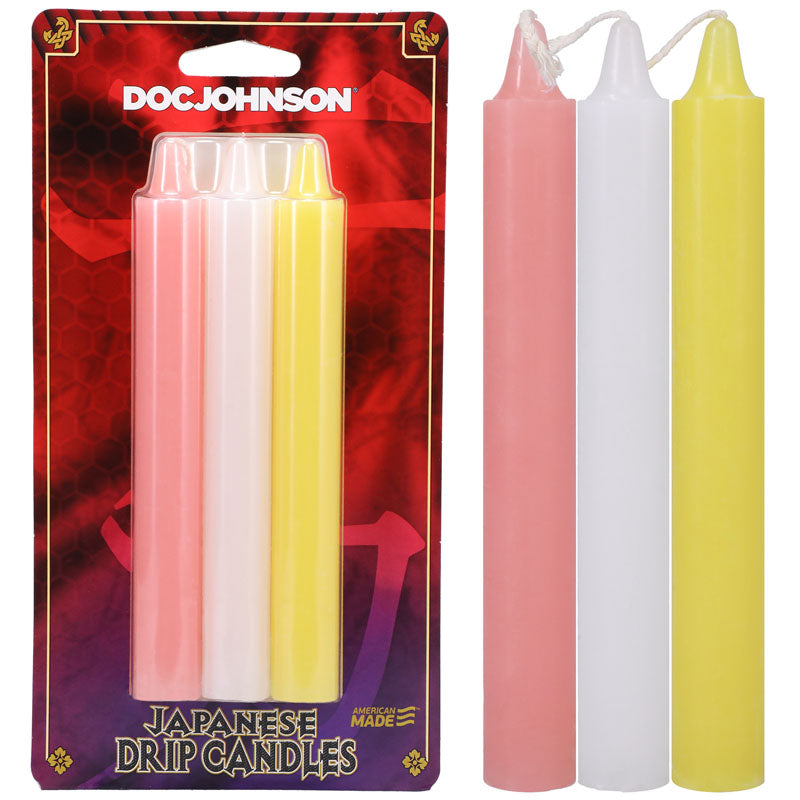
Once you know what feels good, you can add pieces with more intention. Some people enjoy the visual confidence of a matching cuff set and collar. Others prefer soft sensory accessories, such as feather ticklers, massage candles made for skin contact or gentle paddles. A blindfold paired with a vibrator or massage wand can create a completely different experience from restraint alone.
For couples, under-bed restraint systems offer flexible positioning without drilling fixtures into walls or furniture. They can be a practical choice for those who want their gear stored discreetly between uses. If you are shopping for your first set, choose materials that are easy to wipe clean and store in a dry, private place.
Quality also matters. Look for smooth finishes, secure stitching, reliable hardware and clear product information. Body-safe materials and well-made adjustable designs support comfort, confidence and repeat use. At Intimelly, beginner-friendly bondage options can help you explore at your own pace while keeping privacy and practical product choice front of mind.
Aftercare is part of the experience
After restraint play, take a moment to reconnect. This may mean cuddling, having water, sharing what you enjoyed or simply sitting together quietly. Some people feel energised afterwards, while others feel emotionally tender or sleepy. There is no required reaction, but checking in helps both partners feel seen and supported.
Clean any gear according to its material and care instructions, then inspect straps, stitching and closures before storing it. Replacing worn gear is a small but worthwhile part of safer play.
Your first bondage experience does not need to be intense to be memorable. Start with soft restraints, clear agreements and enough time to move slowly. The confidence to experiment usually comes from knowing you can stop, adjust or change direction at any point.


