


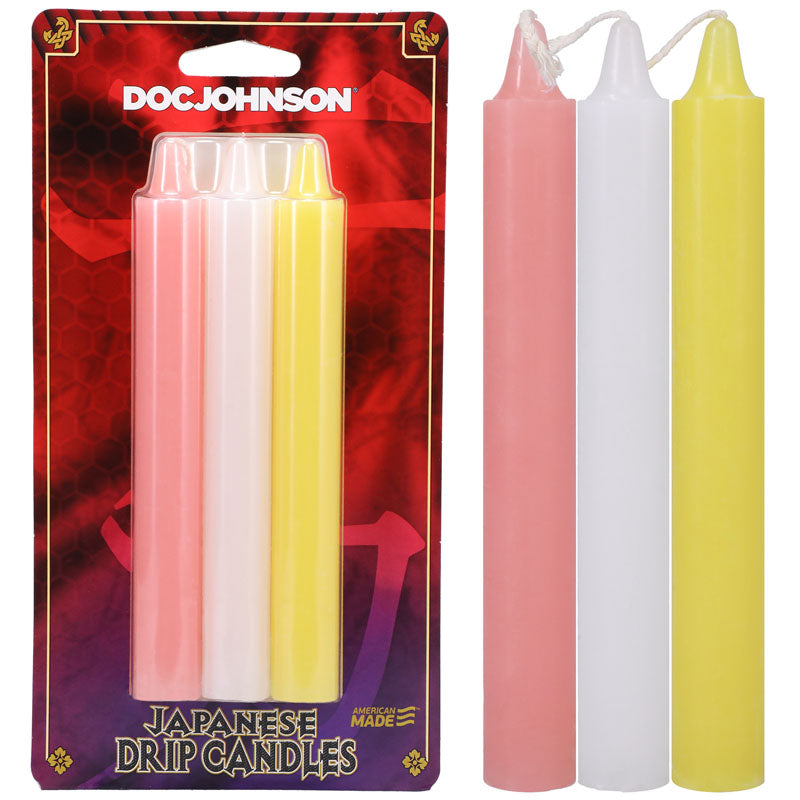


Intimate wellness is not a performance, a relationship status or a one-size-fits-all routine. It is the practical, personal work of understanding what helps your body feel comfortable, confident and cared for - whether that means a better lubricant, time set aside for solo pleasure, or a new way to connect with a partner.
For some people, that starts with replacing products that irritate sensitive skin. For others, it means exploring a vibrator, trying pelvic floor exercises or simply having a more honest conversation about what feels good. The point is not to chase a particular outcome. It is to make room for comfort, curiosity and pleasure on your own terms.
What intimate wellness can look like
Wellness is often presented as skincare, sleep, movement and nutrition. Sexual comfort belongs in that conversation too. Your intimate wellbeing can be shaped by physical factors such as dryness, sensitivity, arousal and pelvic floor strength, as well as emotional factors like privacy, confidence, stress and trust.
That makes intimate wellness broader than buying a new product, although the right product can make a real difference. A water-based lubricant can reduce friction and make play more comfortable. A body-safe toy can offer a reliable way to explore sensation. Condoms support safer sex, while toy cleaner helps protect both your products and your body between uses.
The right approach depends on your needs. Someone new to toys may want a small, simple vibrator with intuitive controls. A couple looking to change their routine might prefer a massage oil, a couple's vibrator or a soft bondage accessory. If pelvic floor support is the goal, kegel exercisers may be worth considering, provided you use them correctly and without discomfort.
Start with comfort, not pressure
The most useful question is rarely, “What should I buy?” Instead, ask, “What would make me feel more comfortable?” That shift keeps the experience grounded in your needs rather than trends, expectations or someone else's idea of what pleasure should be.
If dryness or friction is getting in the way, start with lubricant. Water-based formulas are a versatile choice because they work with most condoms and toy materials, are easy to wash away and suit many people with sensitive skin. Silicone-based lubricants tend to last longer and can be especially useful for shower play or extended sessions, but they are not always compatible with silicone toys. Check the product guidance before pairing them.
If you are feeling tense, rushed or self-conscious, the answer may not be a stronger product. A quieter setting, more time, lower expectations and a product designed for gentle external stimulation can be far more useful. Pleasure is not improved by pushing through discomfort. Stop if something hurts, feels numb, causes burning or simply does not feel right.
Persistent pain, bleeding, itching, unusual discharge or changes that concern you deserve advice from a GP or qualified sexual health professional. Wellness products can support comfort, but they should not be used to mask symptoms that need medical attention.
Choosing intimate wellness products with confidence
A crowded product range can be exciting, but it can also make deciding harder. A few practical details will narrow the options quickly: what you want to explore, your experience level, the material, size, power source and how easy the product is to clean.
For beginners, uncomplicated is usually better. Look for a body-safe silicone vibrator with a smooth finish, manageable size and a few clear settings rather than dozens of modes. External vibrators are a common starting point because they are versatile and do not require penetration. If penetration is part of what you want, choose a slimmer toy and use plenty of lubricant.
Material matters. Non-porous materials such as silicone, stainless steel and glass are generally easier to clean thoroughly when cared for as directed. Silicone is soft and flexible, glass offers a firm, smooth feel and can often be used with temperature play, while stainless steel has weight and pressure. Each can feel very different, so there is no universal “best” choice.
For anal play, safety is non-negotiable. Choose toys specifically designed for anal use, with a flared base that cannot slip inside the body. Start smaller than you think you need, add more lubricant than you would for other types of play and go slowly. Anal tissue does not self-lubricate, so comfort depends on patience, communication and adequate lubrication.
When shopping through a specialist retailer such as Intimelly, category filters can help match products to your purpose rather than leaving you to guess from packaging. Beginner-friendly options, app-controlled vibrators, prostate toys, bondage essentials and toy care products all serve different needs. Start with the experience you actually want, then compare practical features.
Make hygiene part of the ritual
Good toy care is simple, but it matters. Clean toys before and after use according to the manufacturer's instructions. For many non-porous toys, warm water and a dedicated toy cleaner are suitable, but electronics, porous materials and specific finishes may need different care.
Dry products fully before storing them. A clean storage pouch can prevent dust, scratches and contact with other materials. If you own multiple silicone toys, storing them separately is a sensible precaution, as some silicone finishes can react when left touching for long periods.
Condoms are also worth storing properly. Keep them in a cool, dry place and check the expiry date before use. A wallet, glove box or somewhere exposed to sustained heat is not ideal for long-term storage. If a condom looks dry, brittle, damaged or has passed its expiry date, bin it and use a new one.
Intimacy is easier when communication is specific
For couples, intimate wellness often has less to do with finding a magic product and more to do with making conversation feel normal. Vague questions like “What do you want?” can be hard to answer on the spot. Specific, low-pressure questions tend to work better: “Would you like something slower?”, “Do you want to try this over clothes first?” or “Should we keep this just for external play tonight?”
Consent should be ongoing, not a single question asked at the beginning. A yes to one activity is not a yes to another, and changing your mind is always allowed. That applies to long-term partners just as much as new ones.
It also helps to leave room for a neutral answer. Not every product will become a favourite. Some experiments will be fun but not repeatable, and some will be a clear no. Treat that information as useful, not awkward. Knowing what you do not enjoy is part of building a more satisfying and comfortable intimate life.
Give yourself permission to go at your own pace
There is no benchmark for how often you should have sex, masturbate, use a toy or try something new. Intimate wellness is not another self-improvement task to complete. It is a way to pay attention to your body, protect your comfort and choose products that support the kind of pleasure and connection you want.
Start small if that feels right: upgrade your lubricant, choose a body-safe beginner toy, restock condoms or create a private moment without distractions. The best choice is the one that feels safe, comfortable and genuinely yours.


