






A lot of people can describe chemistry with a partner, but freeze when asked a simpler question: what is self intimacy? That hesitation makes sense. Most adults are taught how to perform, please, or protect themselves, yet very few are taught how to actually know themselves in an intimate way. Self intimacy sits in that gap. It is the private, honest relationship you build with your own body, emotions, desires, limits, and comfort.
It is not limited to masturbation, although solo pleasure can absolutely be part of it. Self intimacy is broader than that. It includes noticing what helps you relax, what turns you on, what shuts you down, what feels emotionally safe, and what kind of touch feels genuinely good rather than simply familiar or expected.
What is self intimacy, really?
At its most practical, self intimacy means being connected to yourself without judgement. That includes physical awareness, emotional honesty, and sexual self-knowledge. It is the difference between going through the motions and actually feeling present in your own experience.
For some people, self intimacy starts with body confidence. For others, it starts with finally admitting they do not enjoy certain kinds of touch, or that they need more time, more lube, more privacy, or less pressure. Sometimes it begins outside the bedroom entirely, through rest, stress reduction, or learning not to treat pleasure like a reward you have to earn.
That is why self intimacy matters. It shapes how you experience desire, how you communicate with partners, and how comfortable you feel asking for what you want. When you know your own body and responses, intimate experiences tend to become less performative and more satisfying.
Self intimacy is not just about sex
People often hear the term and assume it refers only to solo sex. That is too narrow. Sexual wellness is part of it, but not the whole picture.
Self intimacy can look like taking the time to understand your cycle of desire, noticing where tension sits in your body, or learning that you prefer slow build-up over intensity. It can also mean creating routines that make you feel settled and receptive, such as a warm shower, clean sheets, low lighting, or a body-safe lubricant that improves comfort rather than leaving things to chance.
There is also an emotional side. If you regularly ignore your discomfort, override your boundaries, or disconnect from your body during intimacy, self intimacy will usually feel harder to access. In that sense, it is less about chasing a perfect experience and more about building trust with yourself.
Why self intimacy matters for confidence and pleasure
When people know their preferences, they tend to shop more confidently, communicate more clearly, and choose products that actually suit their needs. That might sound commercial, but it is also practical. There is a real difference between buying something because it is trending and choosing something because it matches your body, experience level, and comfort.
Self intimacy helps with that decision-making. A beginner who knows they are sensitive might prefer a slim vibrator with softer settings over something powerful and intimidating. Someone focused on relaxation may prioritise smooth silicone, ergonomic shape, and plenty of pH-balanced lubricant. A shopper exploring pelvic floor wellness might be more interested in kegel exercisers than high-intensity stimulation.
This is where self-knowledge becomes useful, not abstract. It supports better choices and often reduces disappointment.
What self intimacy can include
The exact shape of self intimacy depends on the person. For one adult, it may involve solo touch and learning what type of pressure feels best. For another, it may be about wearing lingerie that improves body confidence, using massage oil to feel more connected to their body, or setting firmer boundaries around what they do and do not enjoy.
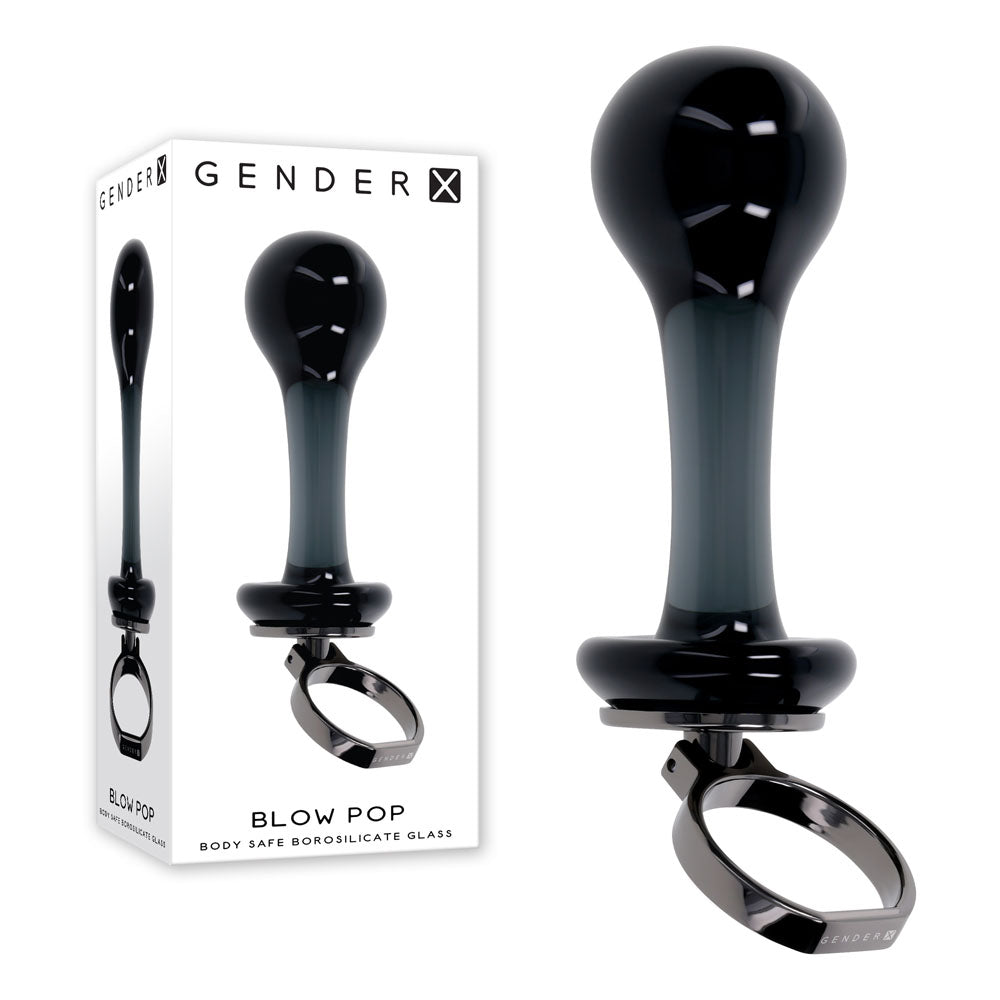
It can include fantasy, curiosity, sensuality, and pleasure products, but it can also include stillness and observation. Some people want to explore new sensations with a wand vibrator, suction toy, dildo, prostate massager, masturbator, or anal toy. Others are not looking for novelty at all. They want comfort, ease, and a more relaxed connection to themselves.
Neither approach is more valid. Self intimacy is personal. The useful question is not whether your approach looks a certain way, but whether it helps you feel more present, more informed, and more comfortable in your own skin.
Common barriers to self intimacy
A lot can get in the way. Shame is a big one. Many adults still carry the idea that pleasure should be hidden, rushed, or apologised for. That mindset makes it harder to be curious and harder to notice what you actually enjoy.
Stress is another barrier. If your nervous system is flat out, your body may not respond the way you want it to. That does not mean anything is wrong. It usually means your body needs a different starting point. More comfort, more time, less pressure.
There is also the issue of expectation. Some people approach self intimacy like a task with a pass-fail outcome. They expect immediate arousal, a certain kind of orgasm, or a polished experience. Realistically, it can be uneven. Some sessions feel easy and enjoyable. Others feel awkward, distracted, or emotionally neutral. That is normal.
How to build self intimacy at your own pace
The most effective approach is usually the least dramatic. Start by paying attention rather than trying to force a breakthrough. Notice what makes you feel safe, what helps you switch off, and what kinds of sensation you naturally lean towards.
If you want to explore physical pleasure, keep the setup simple. Choose a private, comfortable space. Use enough lubricant if friction is involved. Start with touch or a product that feels approachable rather than intense. Body-safe materials matter here because comfort and confidence often depend on how something feels against the skin.
Beginners often do better with products designed for control and ease of use. That could mean a compact vibrator with adjustable settings, a slim dildo, a soft masturbator sleeve, or a gentle pelvic floor trainer. More experienced shoppers may want stronger motors, app control, textured surfaces, or targeted stimulation. It depends on whether your goal is relaxation, exploration, stronger sensation, or better body awareness.
What matters most is removing pressure. You do not need to prove anything to yourself. If something feels good, stay with it. If it does not, stop or change course.
What is self intimacy in relationships?
Self intimacy is often mistaken for the opposite of partnered intimacy, when in reality it tends to support it. If you know your own body, boundaries, and desires, it becomes easier to share that knowledge with someone else.
That does not mean every person with strong self intimacy finds communication easy. But it usually helps. You are more likely to know whether you want clitoral stimulation, internal pressure, slower pacing, firmer touch, or more emotional reassurance. You are also more likely to spot when you are agreeing to something out of habit rather than genuine interest.
For couples, self intimacy can reduce guesswork. It allows intimacy to feel more collaborative and less like mind-reading.
Signs you are developing self intimacy
It often shows up quietly. You may feel less embarrassed about your preferences. You may become more comfortable saying no, asking for more lube, choosing products based on your actual needs, or taking your time without feeling guilty.
You might also notice that pleasure becomes less goal-driven. Instead of chasing a specific outcome, you become more interested in the quality of the experience itself. That shift matters. It usually leads to more comfort, more honesty, and better long-term sexual wellbeing.
For many adults, self intimacy is not a dramatic revelation. It is a series of small, practical moments where you stop ignoring yourself.
A more useful way to think about self intimacy
If the phrase still feels vague, think of it this way: self intimacy is your ability to relate to yourself with attention, respect, and curiosity in intimate contexts. That includes your body, your pleasure, your limits, your emotions, and your preferences. It can involve solo play, wellness products, or simple body awareness. It can be sensual, sexual, emotional, or all three.
There is no single right routine, product category, or experience level required. Some people will explore through touch, others through toys, others through better communication with themselves first. The pace can be slow. In fact, slow is often where the useful information is.
If you are starting from scratch, that is not a problem. It just means there is space to learn. And when you approach that process with honesty instead of pressure, self intimacy becomes less about performance and more about feeling at home in your own body.


