




A guide to bondage safety basics starts well before any restraint is fastened. The most satisfying bondage play tends to feel calm, considered and mutual - not rushed or improvised. Whether you are exploring with a partner for the first time or adding new gear to an established routine, safety creates the comfort that lets curiosity take the lead.
Bondage can be simple: a soft cuff, a blindfold, a chosen position and a clear agreement. It can also become more technical as you learn about rope, restraint systems and sensation play. The right starting point depends on your experience, mobility, health and preferences, but the foundations stay the same: informed consent, clear communication, appropriate equipment and the ability to stop quickly.
Start with consent, not equipment
Consent is not a one-time question asked at the beginning. It is an ongoing conversation between adults who are free to choose what happens, change their mind and set boundaries without pressure. Before play, talk plainly about what each person wants to try, what is off limits, and what would make them feel supported.
Be specific. “I want to try wrist cuffs” is clearer than “I’m into bondage”. Discuss whether blindfolds, gagging, spanking, roleplay, rope or restricted movement are part of the plan. If either person is new, keep the first session deliberately simple. You do not need to try every idea at once to have an exciting experience.
A safeword gives the restrained person an easy way to pause or stop play. Many people use a traffic-light system: “green” means all good, “yellow” means slow down or check in, and “red” means stop immediately. If speech may be difficult because of a gag, a blindfold or intense sensation, agree on a non-verbal signal too. A dropped object, repeated hand squeeze or tapping pattern can work, provided the other person can see or feel it consistently.
Choose beginner-friendly bondage gear
For early exploration, purpose-made restraints are generally a better choice than household items. Soft wrist and ankle cuffs, under-bed restraint kits, adjustable straps and padded collars are designed to release more easily and are less likely to cause painful pressure than makeshift ties.
Look for adjustable closures, smooth edges and materials that feel comfortable against the skin. Padded cuffs can be a practical option for beginners because they distribute pressure more evenly. If using rope, choose rope intended for body use, keep sessions short at first, and learn basic safety techniques before attempting decorative or complex ties.
Avoid using items that can tighten unpredictably, cut into skin, trap body parts or be difficult to remove. Cable ties, cling film, neckties, shoelaces and thin cords can create avoidable risk. A belt may seem convenient, but buckles and rigid edges can become uncomfortable quickly. Bondage gear should support the experience, not leave you trying to solve a problem halfway through it.
Keep a pair of safety scissors within immediate reach whenever rope, straps or any restraint without a quick-release mechanism is involved. Safety scissors have a blunt tip designed to reduce the chance of cutting skin while removing material. They are not a substitute for checking fit, but they provide a useful backup if a knot jams or a person needs to be released quickly.
Keep the neck and breathing out of beginner play
Avoid any restraint, pressure or constriction around the neck. Breath play and choking carry serious, unpredictable risks and are not made safe by careful intentions, experience or a safeword. Similarly, never cover someone’s mouth or nose in a way that affects breathing, and do not leave a restrained person alone.
Bondage is about chosen control, not actual danger. There are plenty of ways to create anticipation and power exchange with cuffs, blindfolds, positions, words and sensation without involving breathing or the neck.
Check fit, circulation and body position
A restraint should feel secure without pinching, numbing or becoming painful. As a general check, you should be able to place a finger beneath a cuff or tie. That is only a starting point, though. Everyone’s body responds differently, and fit can change once someone moves, warms up or holds a position for several minutes.
Check in often, especially during the first 10 to 15 minutes. Ask how their hands, feet and joints feel. Look for tingling, numbness, coldness, swelling, unusual paleness or a change in skin colour. If any of these occur, release the restraint straight away. Do not treat discomfort as something to push through.
Position matters just as much as the restraint itself. Avoid putting prolonged pressure on knees, shoulders, wrists or hips. A pose that looks great for a moment may become uncomfortable very quickly. Use cushions, change positions and let the restrained person move when needed. People with joint concerns, circulation conditions, chronic pain, nerve sensitivity, recent injuries or pregnancy may need extra care, modified positions or to avoid certain forms of restraint altogether.
Never tie hands or arms behind the back for extended periods, particularly if the person cannot easily shift their shoulders. Keep movement and range of motion realistic for the individual, not for a fantasy image.
Keep communication active during play
A blindfold can heighten anticipation, but it also removes visual information. That makes verbal check-ins more valuable. Use a calm, normal voice and ask direct questions: “How are your hands feeling?” “Do you need a position change?” “Would you like more, less or a pause?”
The person taking the lead has a responsibility to pay attention, not merely wait for a safeword. Silence does not automatically mean comfort. Watch breathing, body tension, responsiveness and skin colour. If something seems off, stop and check in. A pause does not ruin the mood - it shows care and builds trust.
Alcohol and recreational drugs make it harder to assess risk, communicate clearly and give meaningful consent. Save bondage for a time when everyone is sober enough to make decisions and notice what their body is telling them.
Go slowly with rope and advanced restraint
Rope bondage can be beautiful, intimate and deeply sensory, but it asks more of both people than a pair of cuffs. Knots can tighten, rope can shift and pressure near nerves can cause injury if placement is poor. Beginners do not need to avoid rope entirely, but they should start with simple, easy-to-remove ties around safer areas such as the lower legs or torso, rather than attempting complex arm, chest or suspension work.
Suspension, partial suspension and any tie that bears body weight are advanced practices. They involve fall risks, pressure risks and technical knowledge that cannot be replaced by a quick tutorial. Treat them as a separate skill set requiring proper education, suitable equipment and experienced guidance.
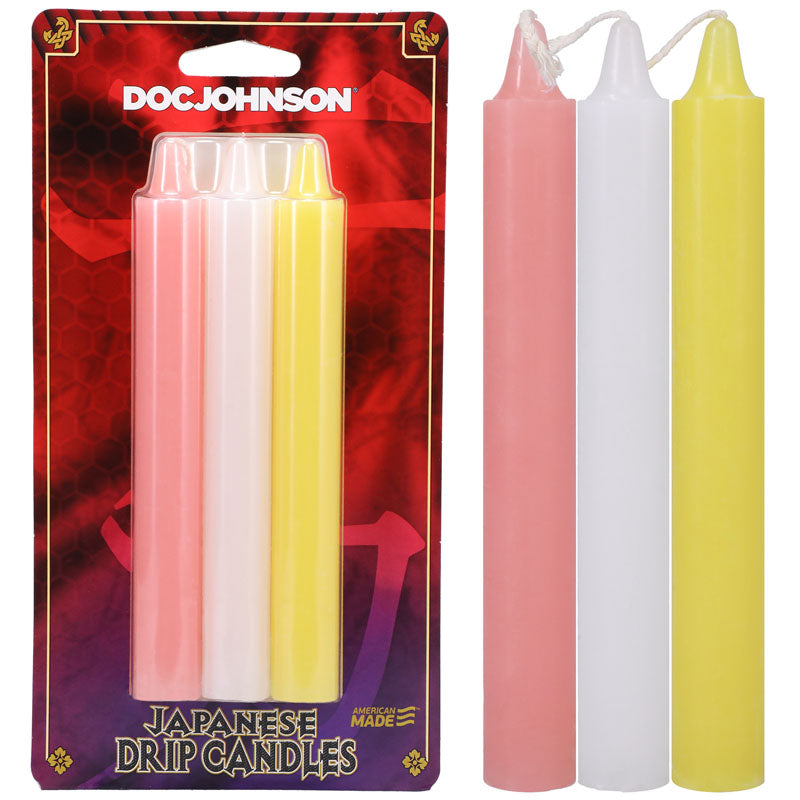
The same goes for combining bondage with intense impact play, wax, electrical stimulation or sensory deprivation. Each element changes how easily a person can communicate and how quickly situations can escalate. Add one new variable at a time so you can learn what works for your bodies and boundaries.
Aftercare is part of the experience
When restraints come off, give both people a moment to return to everyday pace. Aftercare might mean water, a snack, a blanket, a shower, quiet conversation or simply lying together. Ask what felt good, what felt too intense and whether anything needs adjusting next time.
Check the skin for marks, bruising or irritation, and clean reusable gear according to its material and care instructions before storing it. If numbness, weakness, significant pain or symptoms that do not settle occur after play, seek medical advice.
The most confidence-building approach to bondage is not chasing intensity. It is choosing gear that suits your experience, making room for honest communication and treating every pause as useful information. Start with comfort, stay present, and let trust set the pace.


